
NEARLY EVERY BUSINESS IS A MESS
And It’s Almost, Always Totally Fixable.
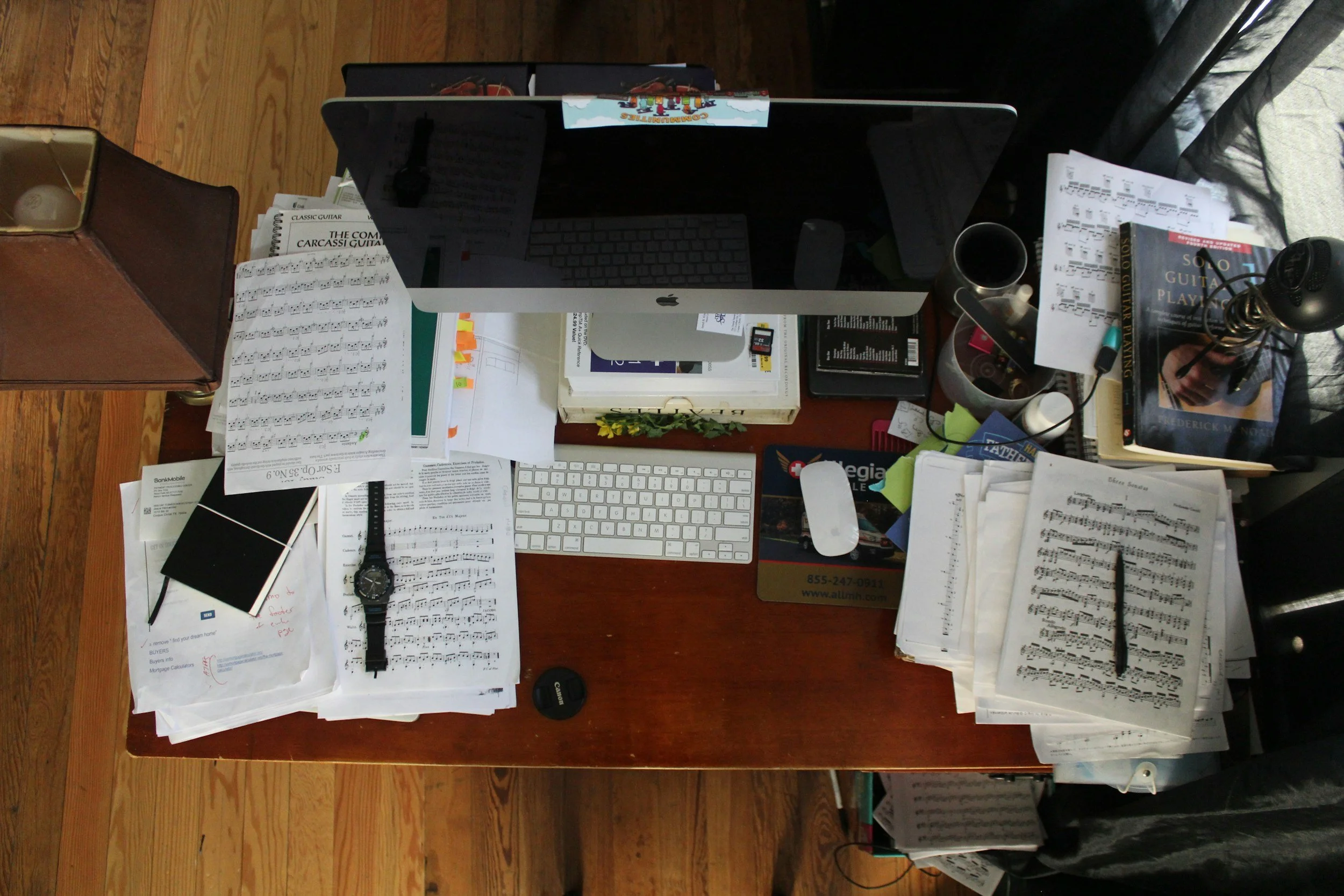
THE MESSY ORG ARCHETYPES (AND HOW TO FIX THEM)
Humans—we’re a bit of a mess, aren’t we?
We bring experience, baggage, biases, and habits into work. Which means small businesses, startups, nonprofits—even big corporations—are naturally dysfunctional. Not because people don’t care, but because humans are running them.
Without intentional design for function, dysfunction thrives.
Over the years, I’ve seen seven messy patterns appear repeatedly. Each has strengths, weaknesses, and a fix.
THE IDEA MACHINE (THE VISION VOID)
Always brainstorming. Rarely delivering.
Looks like: Meetings spawning new initiatives, half-baked projects, five experiments running at once—none finished.
Strengths: Creativity, momentum, energy
Weaknesses: Poor prioritization, scattered execution, burnout
Fix: Capture ideas, filter strategically, prioritise, and check bandwidth. Temporary support is fine—park the rest. Protect energy by being ruthless with execution.
THE GHOST (EVERYONE’S-JOB ORG)
Everyone’s responsible = no one is accountable.
Looks like: Projects float in limbo, no clear ownership, endless “let’s circle back” meetings.
Strengths: Collaboration, alignment, flat structure
Weaknesses: Decision limbo, passive ownership
Fix: Define roles, decision rights, and accountability. Make ownership visible, set deadlines, and build simple check-ins. Name barriers and solve them together.
THE OVERFUNCTIONING FOUNDER
Full ops team… but CEO’s still running payroll.
Looks like: Founder doing everything—from HR to copywriting—while the team is busy.
Strengths: Hustle, commitment
Weaknesses: Poor delegation, burnout, disempowered team
Fix: Step up as a leader outwardly, focus on vision and visibility, and build internal trust with SOPs and decision frameworks. Coach the founder to lead publicly, not inwardly.
THE APPROVAL BOTTLENECK (THE DECISION GATEKEEPER)
Nothing moves without the boss signing off.
Looks like: Landing pages taking weeks; micro-decisions funnel through one person.
Strengths: Vision, high standards
Weaknesses: Low autonomy, stalled progress
Fix: Set priorities, define decision thresholds, and build a nudging culture. Approvals are checkpoints, not straitjackets.
THE NICE-BUT-INEFFECTIVE ORG (POLITE PARALYSIS)
Too nice to be productive, too avoidant to be honest.
Looks like: Meetings full of smiles, deadlines slipping, frustrations buried.
Strengths: Supportive, kind culture
Weaknesses: Avoiding conflict, emotional labor overload
Fix: Model candour, build feedback rituals, redefine psychological safety. Clarity is kind—honesty doesn’t mean unkindness.
THE DEFERRED OPS DEBT ORG (“WE’LL FIX IT LATER”)
Growth first. Clarity later.
Looks like: Scaling without internal systems; data scattered, processes missing.
Strengths: Urgency, adaptability
Weaknesses: Reactive ops, risk exposure
Fix: Treat ops debt like financial debt. Invest early, document key workflows, and make ROI visible. Build “just enough” structure before growth outpaces ops.
THE OVERTHINKERS (ANALYSIS PARALYSIS)
Smart people. Slow progress. Too many opinions.
Looks like: Simple decisions taking ages, decks multiplying, competitors moving ahead.
Strengths: Strategy, nuance
Weaknesses: Perfectionism, lack of velocity
Fix: Set decision deadlines, normalise experiments, and treat failure as feedback. Constraints and experiments reduce fear and speed movement.
THE TAKEAWAY
Every org has its mess. Mess is inevitable.
Founders: Notice patterns, get honest about where you’re stuck, create conditions for your team to thrive.
Operators: Hold up the mirror, name what you see, guide the org toward healthier defaults.
Truth: Your organization isn’t broken. It’s messy. And messy? Messy can be fixed.
IS THIS COMPANY TOXIC OR JUST DYSFUNCTIONAL?
Dysfunction looks like:
Blurry roles but good intent
Slow decisions but eventual movement
Polite avoidance but willingness to solve problems
Founders open to coaching
Toxic leadership looks like:
Belittling, gaslighting, undermining
Punitive blame culture
No psychological safety
Hostile resistance to change
Quick test: Name the dysfunction. If the founder leans in, it’s fixable. If they lash out, it’s toxic.
💛 MA
WORK WITH ME
Connect on LinkedIn
Keep building the version of work that actually works for you. I’ll be here cheering (and occasionally nudging).
Until next time,
Mary Alice
